In the United States, many people need their marriage certificate in English, either for legal procedures, immigration processes, or international purposes. However, it’s common to confuse this document with the marriage license, which serves a different purpose.
In this article, we’ll explain what the marriage certificate in English is, how it differs from the license, and how Notary Public Center can help you obtain it quickly and securely.
What is a Marriage Certificate in English?
A marriage certificate is the official proof that two people are legally married. It is issued by the vital records office of the state or county where the marriage took place.
The marriage certificate in English is most often required for:
- Immigration procedures with USCIS or consulates.
- Legal proceedings such as divorce, inheritance, or insurance claims.
- International use, especially when an apostille is required under The Hague Convention.
Difference Between a Marriage License and a Marriage Certificate
It is very important not to confuse these two documents:
Marriage License: This is the permit you request before the wedding. It allows the ceremony to legally take place.
Marriage Certificate: This is the official document issued after the wedding has been celebrated and properly recorded.
In short: the license is the authorization to marry, while the certificate is the proof that the marriage legally took place.
Common Mistakes When Requesting a Marriage Certificate
- Confusing the license with the certificate.
- Requesting the document in the wrong county or state.
- Failing to request an apostille when the document is to be used internationally.
- Submitting a copy that is not certified, which is usually invalid for official procedures.
How Notary Public Center Helps You in the Process
At Notary Public Center, we know that dealing with vital records can be complicated. That’s why we offer complete assistance to make sure you get the correct document, in the right format, and ready for any legal process.
We provide:
- Assistance requesting the marriage certificate in the correct state or county.
- Certified translations of your marriage certificate, valid for immigration and legal purposes.
- Apostille and legalization services so your certificate is valid abroad.
- Safe and fast delivery of your documents, both within the U.S. and internationally.
By working with Notary Public Center, you avoid delays, mistakes, and rejections, ensuring your certificate is ready to use wherever you need it.
Marriage License, Marriage Certificate, and Marriage Record: Clearing Up the Confusion
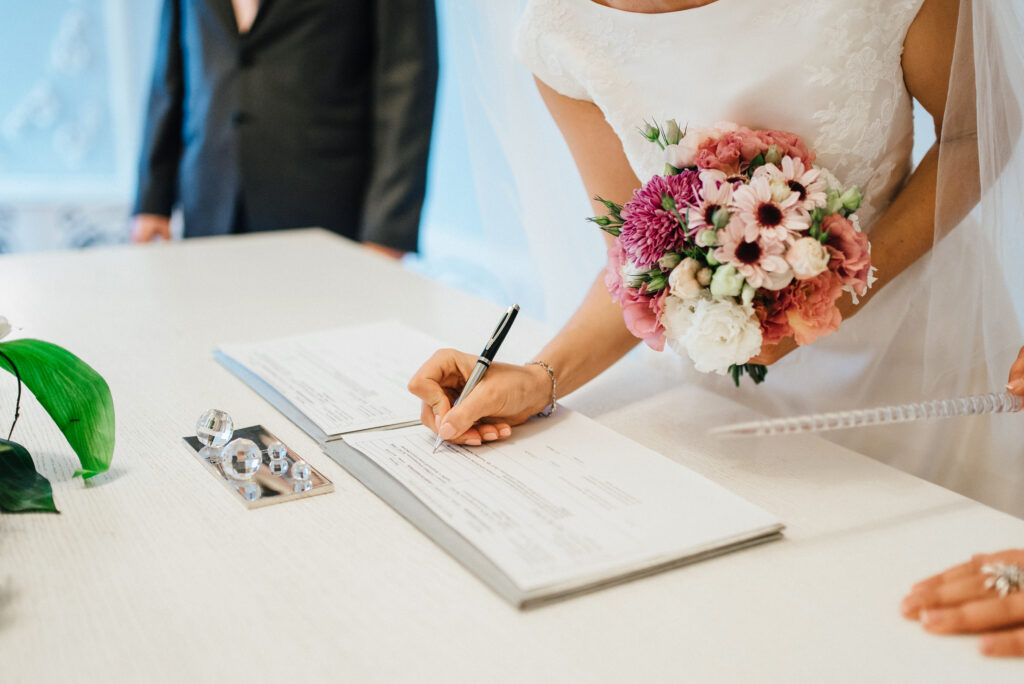
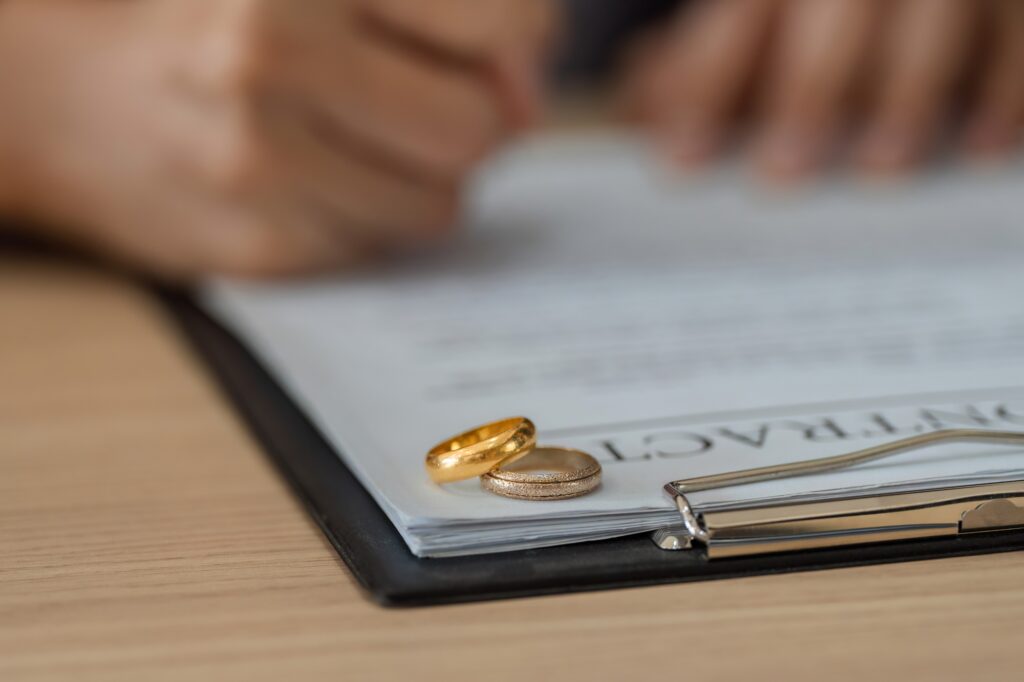
People often use these three terms interchangeably, but they refer to different things. The marriage license is the permit a county issues before the wedding, authorizing the couple to marry. The marriage record is the signed document created at the ceremony—signed by the couple, the officiant, and the witnesses—which is then returned to the county to be officially recorded. The marriage certificate is the certified copy issued after the marriage is recorded, and it is the document that agencies actually accept as legal proof.
Knowing which one you need saves time. When USCIS, a consulate, or a court asks for a “certified copy of the marriage certificate,” presenting the license instead is one of the most common reasons paperwork gets rejected.
How to Request a Certified Copy of Your Marriage Certificate
Certified copies are issued by the vital records office (or county clerk) of the place where the marriage took place. Most offices offer three channels:
- In person: the fastest option in many counties; you present valid ID and, in some states, prove your relationship to the marriage.
- By mail: you send a signed request, a copy of your ID, and the required fee; processing and shipping add time.
- Online: many states use an authorized third-party portal; convenient, but confirm it is the official channel to avoid overpaying an unofficial reseller.
A certified copy carries an official seal and signature. That seal is what makes it acceptable for legal, immigration, and international procedures—an uncertified printout or photocopy is almost always rejected.
Why a “Certified Copy” Matters and When a Plain Copy Won’t Work
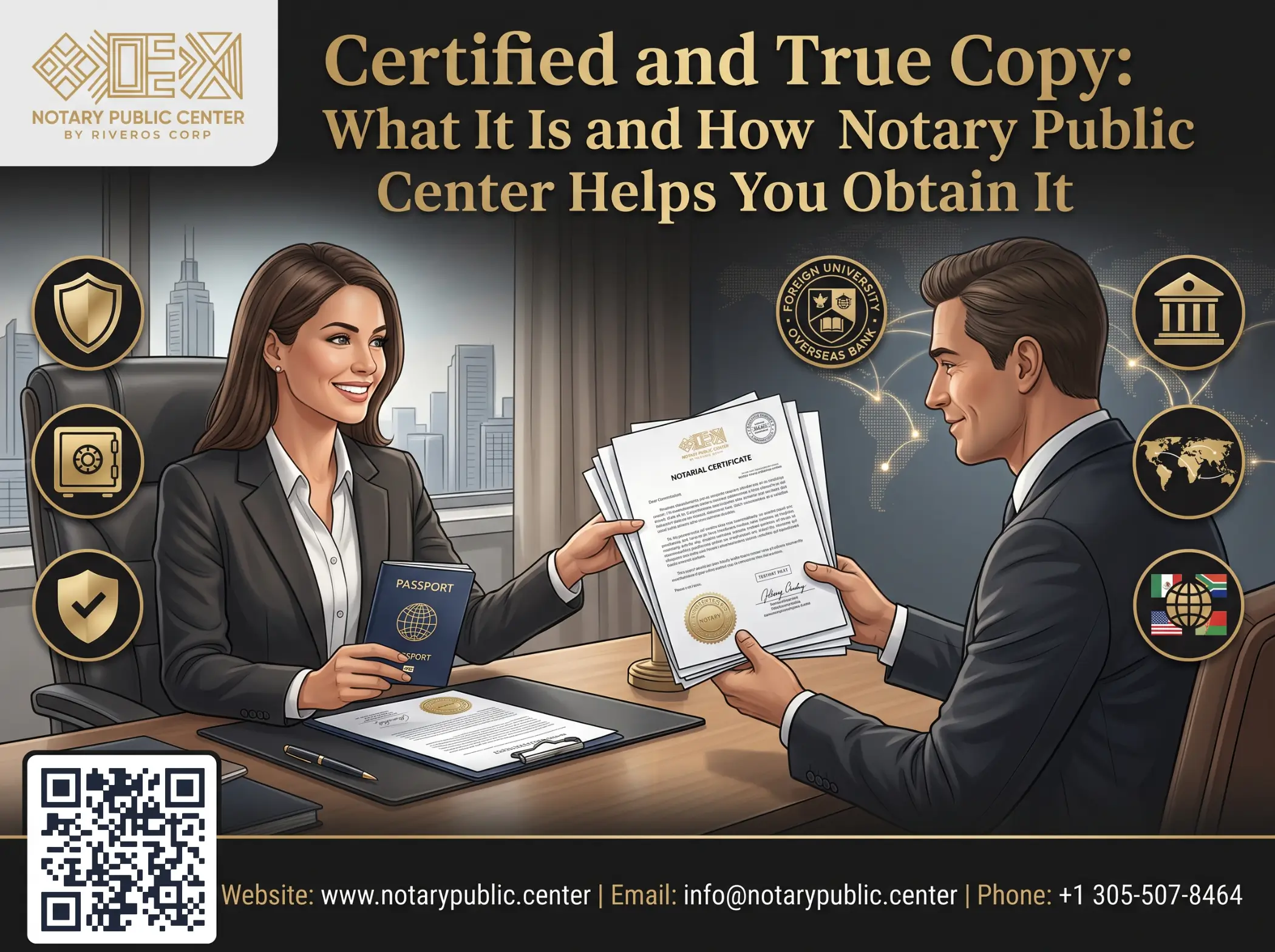
A plain photocopy may be fine for your own records, but government agencies, courts, and foreign authorities require a certified copy. The certification confirms that the document is a true, unaltered reproduction of the official record on file.
This distinction becomes critical when the certificate will be apostilled: the apostille authority authenticates the signature of the official who certified the copy, so it must be a genuine certified copy—not a notarized photocopy of one. Starting with the wrong version usually means restarting the entire process.
Getting Your Marriage Certificate Translated
If your marriage took place abroad and the certificate is in another language, U.S. authorities such as USCIS require a full, accurate English translation accompanied by a certification of accuracy. Conversely, if your U.S. certificate must be used in a country that does not operate in English, you will usually need a translation into that country’s official language.
The safest sequence is to first obtain the certified copy, then translate it, and finally apostille or legalize it if it will be used abroad. Translating before you have the correct certified copy often forces a costly redo.
Apostille for International Use: The Right Order of Operations
If your marriage certificate must be recognized in another country that is part of The Hague Apostille Convention, it needs an apostille. The order matters:
- Obtain a certified copy of the marriage certificate from the issuing state or county.
- Request the apostille from the competent authority in the state that issued the certificate.
- If required by the destination country, have the apostilled document translated by a qualified translator.
Doing these steps out of order is the single most frequent cause of delays for international filings. Notary Public Center coordinates notarization, certified copies, and the apostille step so the document arrives ready to use.
Marriage Certificate Requirements by State
Because marriage is regulated at the state level, the exact process to obtain a certified copy varies. Some states centralize records at a state vital records office; others keep them at the county where the license was issued. Eligibility rules also differ—certain states restrict who may request a certified copy to the spouses, immediate family, or legal representatives.
Before requesting, confirm three things: which office holds the record, who is authorized to request it, and what identification is required. Getting these right the first time avoids a rejected request and a second round of fees.
Using Your Marriage Certificate for USCIS and Immigration
For family-based immigration petitions, adjustment of status, and consular processing, USCIS typically requires a certified copy of the marriage certificate—and a certified English translation if it is in another language. Submitting an uncertified copy or an incomplete translation can trigger a Request for Evidence (RFE) and delay the case.
We recommend ordering more than one certified copy from the start, since immigration, name changes on IDs and passports, and insurance updates each tend to require their own original.
How Long Does It Take to Get a Marriage Certificate?
Timelines depend on the office and the channel you choose. In-person requests can sometimes be fulfilled the same day, while mailed requests may take several weeks once shipping is included. Adding an apostille or a certified translation extends the total timeline, so plan backward from any legal or immigration deadline you must meet.
If you are on a tight schedule—an interview date, a court filing, or a document deadline abroad—starting early and confirming each requirement in advance is the best way to avoid last-minute problems.
What to Do If Your Marriage Certificate Has an Error
Typos happen: a misspelled name, a wrong date, or a transposed detail can appear on the recorded certificate. Because the certificate is legal proof, even a small error can cause problems at USCIS, a bank, or a foreign registry. The fix is an amendment (or correction) filed with the same vital records office that issued the document.
Each state has its own amendment procedure, and it usually requires supporting evidence—such as the couple’s IDs or the original application—to justify the change. Correcting an error before you translate or apostille the certificate is essential; otherwise you may have to redo those steps once the record is amended. If you notice a mistake, address it as early as possible so it does not derail a time-sensitive filing.
Conclusion
The marriage certificate in English is an essential document for legal, immigration, and international procedures. Understanding the difference between a license and a certificate is key to avoiding mistakes.
At Notary Public Center, we take care of the entire process for you—from requesting your certificate to translation, apostille, and secure delivery—so you can move forward with complete peace of mind.
Contact us today and let our experts handle your marriage certificate needs efficiently and professionally.
Frequently Asked Questions About the Marriage Certificate in English
1. What is the difference between a marriage license and a marriage certificate?
The license is the permit issued before the wedding that authorizes the ceremony. The certificate is the certified document issued after the marriage is recorded, and it is the one that serves as legal proof for immigration, court, and international procedures.
2. Do I need a certified copy, or is a regular copy enough?
For any official procedure you need a certified copy with an official seal and signature. Plain photocopies are almost always rejected, and an apostille can only be issued on a genuine certified copy.
3. How do I get my marriage certificate translated into English?
USCIS and most agencies require a complete, accurate English translation with a signed certification of accuracy. Obtain the certified copy first, then have it translated, and apostille it last if it will be used abroad.
4. Do I need an apostille for my marriage certificate?
If the certificate will be used in a country that is part of The Hague Apostille Convention, yes. Request the apostille from the state that issued the certificate, and translate it afterward only if the destination country requires it.
5. Can I request a marriage certificate from a different state than where I live?
Yes. Certified copies are issued by the state or county where the marriage took place, regardless of where you currently live. You can usually request in person, by mail, or through the official online channel.
6. How many certified copies should I order?
We recommend ordering several at once, because immigration filings, name changes, and insurance updates typically each require their own original, and reordering later adds time.
The information contained in this publication is provided for general informational purposes only and does not constitute legal advice. Reading or using this content does not create and is not intended to create an attorney-client relationship. No reader or user should act or refrain from acting based on the information presented herein without first consulting an attorney duly licensed to practice law in their jurisdiction.