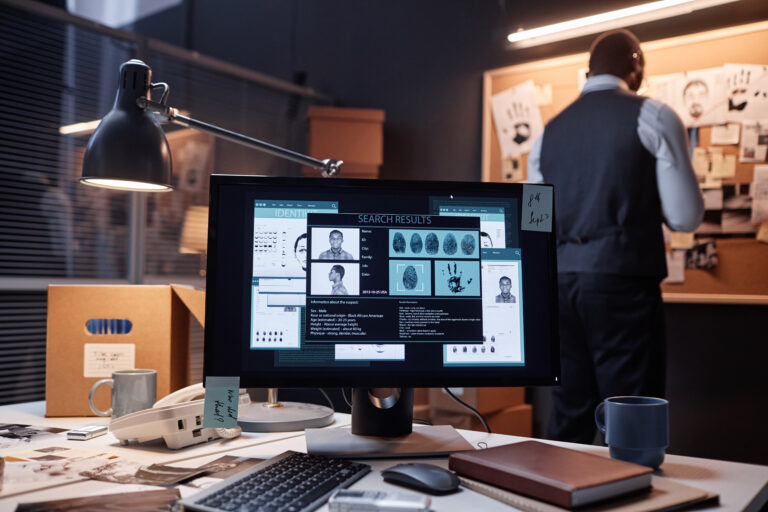
Searching for “fbi background check apostille near me” usually means you need a federally issued criminal record (the FBI Identity History Summary) recognized abroad with an apostille. It also means you want help close by, fast, and correct on the first try. This guide explains the process, highlights practical pitfalls, and shows how Apostille de La Haya manage the entire lifecycle—fingerprints, FBI report, apostille, and delivery—so you don’t waste time redoing steps.
A Provider Checklist for “FBI Background Check Apostille Near Me”
When you evaluate a local vendor, use this:
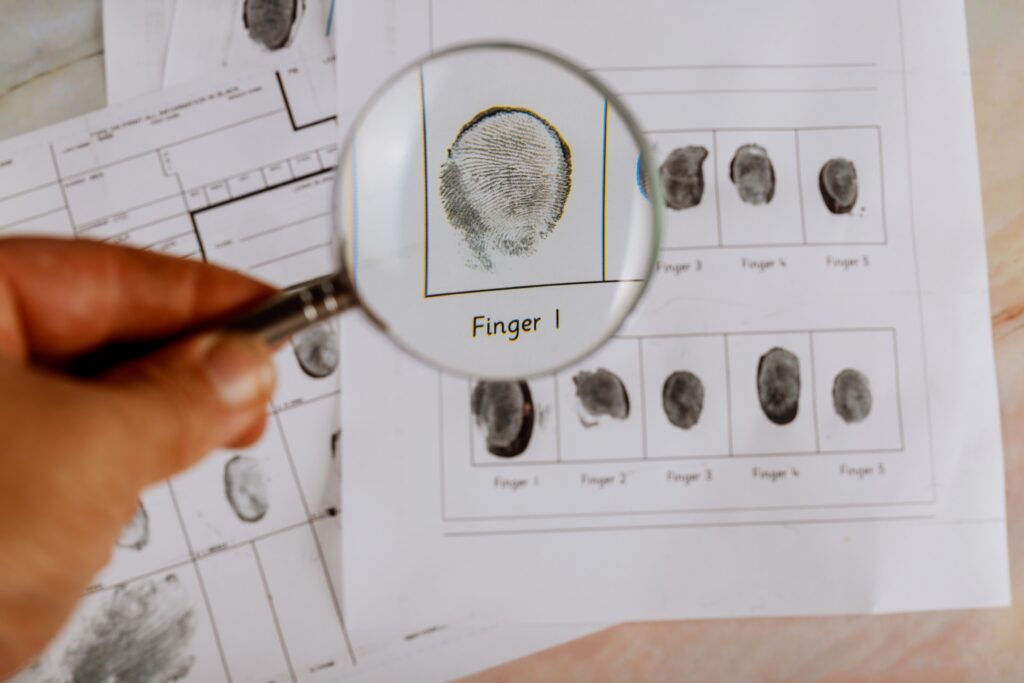
Provides FD-258 fingerprinting (ink or live scan printed) with quality control and re-rolls
Understands federal vs. state apostilles and can explain the difference in writing
Verifies the apostillability of the FBI report before sending to DoS
Completes forms correctly and submits to the Office of Authentications
Tracks shipments, processing, and returns, and shares timestamps with you
Has documented privacy and data security controls for biometrics and PII
Can support translation in the correct sequence when required
Provides references or case examples similar to your scenario
Apostille de La Haya specialize in the above. It’s not just paperwork; it’s systematized risk control.
Why Work With Apostille de La Haya (What Changes for You)
Single point of accountability. No hand-offs you have to manage.
Reduction of error risk. Quality fingerprints, correct authority, correct document format, correct form fields, correct fees.
Time discipline. The fastest valid route for your case, with realistic buffers and escalation paths.
Security of sensitive data. Biometrics and PII handled with least-privilege access, audit logs, and documented destruction.
Destination-aware decisions. Apostille vs. legalization, translation timing, and extra certifications if the receiving entity has special rules.
In short: fewer unknowns, fewer resubmissions, and documents that work the first time.
Need an FBI background check apostille handled end-to-end—fingerprints, report, apostille, and delivery—without guesswork? Work with Apostille de La Haya. We take ownership of every step, reduce rejection risk, and keep your timeline on track. Contact us to get a scoped plan, transparent schedule, and a compliant, internationally valid result.
Why «Near Me» Matters — and Where It Actually Doesn’t
When people search for «FBI background check apostille near me,» they are usually thinking about one thing: getting their fingerprints taken close to home. That part genuinely benefits from being local. A nearby provider with proper FD-258 capture, live scan equipment, and staff who can re-roll a bad print saves you the single most common cause of rejection: poor fingerprint quality.
But here is the nuance most people miss: the apostille itself is not local. An FBI Identity History Summary is a federal document, so its apostille is issued only by the U.S. Department of State in Washington, D.C.—not by any local office or by your state’s Secretary of State. So «near me» really means finding a provider who handles the local, physical step correctly and then manages the federal step remotely on your behalf. The goal is a single team that owns the whole chain, so you are not driving from office to office trying to stitch the process together yourself.
The Full Lifecycle: From Fingerprints to Delivered Apostille
A clean FBI apostille follows a predictable sequence. Understanding each stage helps you spot where delays and mistakes usually appear:
- Fingerprint capture. Prints are taken on an FD-258 card (ink or printed live scan) following FBI specifications, with quality control before anything is submitted.
- FBI report request. The prints are submitted to the FBI—directly or through an approved channeler—to obtain the Identity History Summary.
- Document verification. The returned report is checked to confirm it is the version the Department of State will accept for authentication.
- Federal apostille. The report is submitted to the U.S. Department of State’s Office of Authentications, which attaches the apostille.
- Translation (if required). If the destination country needs a translation, it is done after the apostille so the certificate text is also translated.
- Secure delivery. The finished, apostilled document is returned to you with tracking.
Each hand-off between these stages is a point where a self-managed process tends to break. A single accountable provider removes those seams and keeps the document moving.
How Long Does Each Stage Take?
Turnaround depends on the route you choose and on current federal processing volumes, so precise promises are a red flag. That said, it helps to know the moving parts. Fingerprinting itself takes minutes. The FBI report can return quickly through an approved electronic channeler or more slowly by mail. The Department of State apostille has its own queue that varies through the year. Adding an optional translation extends the timeline further.
The practical lesson is to build in realistic buffers, especially if you are working toward a visa appointment, a job start date, or an adoption deadline. We give you an honest, case-specific estimate up front—including the fastest valid route and a fallback plan—rather than a generic «24 hours» that no federal office can actually guarantee.
Common Reasons an FBI Apostille Gets Rejected
Most rejections trace back to a handful of avoidable issues. Knowing them in advance is the best way to get it right the first time:
- Low-quality fingerprints that the FBI cannot read, forcing a re-submission.
- Sending the report to the wrong authority—for example, trying to apostille a federal FBI report at a state office.
- An outdated or non-qualifying report format that the Department of State will not authenticate.
- Translating before apostilling, which leaves the apostille text untranslated and can invalidate the package abroad.
- Missing destination-specific requirements, such as extra certifications some receiving entities demand.
Every one of these is preventable with a pre-submission review. That review is exactly where a specialized provider earns its value.
Do You Need a Translation, and When?
If the country where you will use the document does not operate in English, expect to need a translation of both the FBI report and the apostille. Sequence is critical: the translation should be produced after the apostille is attached, so the apostille’s own wording is included. Doing it in the wrong order is one of the most expensive mistakes, because it can mean redoing the entire package. Some countries also require the translation to be performed by a translator registered in their own territory—another detail worth confirming before you start.
Who Typically Needs an FBI Apostille?
An apostilled FBI background check is one of the most requested documents for international life events. People most often need it when a foreign government or institution wants proof of a clean federal record. Typical scenarios include applying for a work visa or residency abroad, pursuing dual citizenship, teaching English overseas, completing an international adoption, registering a marriage in another country, or meeting the requirements of a foreign professional license.
Because each of these destinations sets its own rules, the same FBI report can require slightly different handling depending on where it will be used. Knowing your destination and purpose from day one lets us confirm whether an apostille is enough or whether the receiving entity adds special conditions, avoiding surprises at the finish line.
After Delivery: Using Your Apostilled Report Abroad
Receiving the apostilled document is not always the last step. Some institutions abroad only accept records issued within the last three to six months, even though the apostille itself never expires. That means the practical shelf life of your document is often set by the receiving entity, not by the apostille.
Before you travel or submit, confirm three things with the destination: the acceptable age of the document, whether a local translation is required, and whether any additional stamp or consular step applies for your specific use. Handling these details in advance keeps a hard-won apostille from being rejected over a technicality. If you are unsure about any of them, send us your destination and intended use and we will help you verify the requirements before you commit to a timeline.
Preparing for Your Fingerprinting Appointment
A well-prepared appointment reduces the risk of a re-roll and keeps your timeline intact. Before you go, keep these points in mind:
- Bring a valid government-issued photo ID such as a passport or driver’s license.
- Avoid hand lotion the day of the appointment, since it interferes with clean prints.
- If your fingertips are worn from manual work, mention it—there are techniques to improve capture.
- Confirm the exact format your destination requires (electronic submission or a printed FD-258 card).
- Tell your provider the destination country up front, so any translation or extra certification is planned from the start.
A Note on Data Security for Biometrics
Because this process involves fingerprints and personal identifiers, handling matters as much as speed. A responsible provider limits access to your biometric data, keeps audit logs, and documents how and when that information is destroyed after the job is complete. When you choose who takes your prints, ask how your data is protected—not just how fast the report comes back.
Preguntas Frecuentes
Does "near me" mean the apostille is issued locally?
No. Only the fingerprinting step is local. The FBI report is federal, so its apostille is issued exclusively by the U.S. Department of State. A good local provider handles the physical step and manages the federal step remotely for you.
Can a state office apostille my FBI background check?
No. FBI reports are federal documents and must be apostilled by the U.S. Department of State. State Secretaries of State only apostille state-issued documents like local birth or marriage certificates.
Is live scan acceptable, or do I need ink prints?
Both can work. Live scan printed on an FD-258 card or submitted electronically is acceptable, depending on the route. What matters most is print quality and adherence to FBI specifications.
Should I translate the report before or after the apostille?
After. The translation should be done once the apostille is attached, so the apostille’s text is also translated. Translating first is a common and costly mistake that can require redoing the whole package.
How long does the whole process take?
It depends on the FBI and Department of State processing routes and current volumes. We provide an honest, case-specific estimate with realistic buffers rather than a generic promise, and we build in a fallback plan for tight deadlines.
Frequently Asked Questions
Is an apostille the same as notarization?
No. Notarization verifies a signature inside the U.S. An apostille certifies the document for international acceptance among Hague Convention countries. They serve different purposes.
Can I print the FBI PDF and apostille that printout?
Only if the Department of State recognizes. A generic printout may not qualify. We check and, if needed, request the correct version.
Do I need state apostille for an FBI report?
No. FBI reports are federal and must be apostilled by the U.S. Department of State. State apostilles are for state-level documents.
Can I use live scan instead of ink cards?
Yes. Live scan that is printed on FD-258 or submitted electronically (depending on the route) is acceptable. The important part is quality and adherence to FBI specs.
The information contained in this publication is provided for general informational purposes only and does not constitute legal advice. Reading or using this content does not create and is not intended to create an attorney-client relationship. No reader or user should act or refrain from acting based on the information presented herein without first consulting an attorney duly licensed to practice law in their jurisdiction.