If you’ve searched “identification checks” for notarization, you’re trying to sign quickly and avoid rework. The point of identification checks is simple: prove that the person in front of the notary is exactly who they claim to be, so your document is trusted, enforceable, and accepted. At Notary Public Center, we run identification checks in two ways: in person at our Miami office and online through Florida-compliant Remote Online Notarization (RON). Both routes maintain rigorous standards; the online route adds digital evidence—KBA, credential analysis, biometrics, and a recording—to create a defensible audit trail.
What identification checks mean in notarization
Identification checks are the procedures a notary uses to establish a signer’s identity before completing a notarial act (acknowledgment or jurat). In practice, that means:
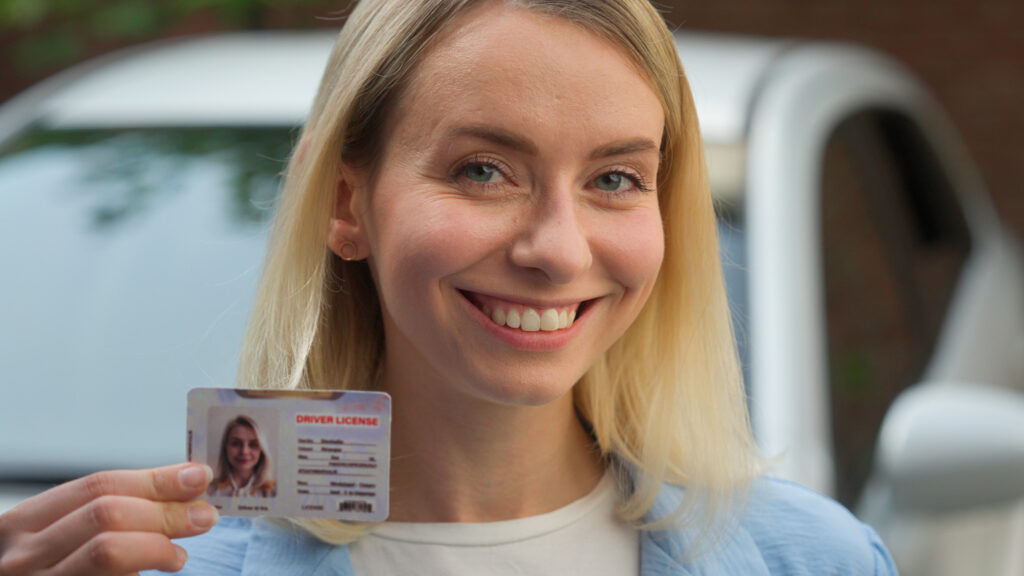
Reviewing government-issued photo ID for validity and consistency,
Ensuring the signer is present (physically or by two-way audio/video),
Confirming willingness and awareness (no coercion; the signer understands the document), and
Recording the act using the correct notarial certificate.
For jurats (e.g., affidavits), you’ll also take an oath or affirmation and sign in the notary’s presence. For acknowledgments, you confirm you signed voluntarily (you may have signed earlier).
Why identification checks matter (more than most people realize)
Legal validity & acceptance. Courts, banks, recorders, and foreign authorities rely on identity assurance to accept your paperwork. Weak checks increase rejection risk.
Fraud deterrence. Strong identification checks reduce impersonation and forgery by making every step traceable. This rigorous commitment to identity verification is the core principle we extend to our FBI Background Check and investigation services managed by Compliance Officers.
Consumer protection. Proper ID proofing protects signers from unauthorized transactions and the fallout of identity theft.
Auditability. Online notarizations create a verifiable trail—KBA results, credential scans, biometrics, and a recording—that can be reviewed if questions arise.
Two ways to notarize with Notary Public Center (and how ID works in each)
Option A — In-person notarization (Miami)
You bring your current, government-issued photo ID. We compare your appearance to the ID, check validity details (name, DOB, expiration), and complete the notarial act. This route is ideal if a recipient wants wet-ink paper or if you suspect online databases may not have enough data for KBA (common for newcomers, students, or people with thin credit history). Timeframes may vary based on scheduling and document complexity.
Option B — Online notarization (RON, Florida-compliant)
We meet by two-way live audio/video while the notary is physically in Florida. You’ll pass layered identity checks:
KBA (Knowledge-Based Authentication) — Time-limited questions built from public/credit data tied to your identity.
Credential analysis — Automated inspection of your government ID (data integrity, security features, expiration).
Biometric/live-ness + face match — Confirms a real person is present and the face matches the ID.
The entire session is recorded and the final file is tamper-evident. If identity proofing doesn’t pass, we switch to in-person so your paperwork doesn’t stall.
Tip: Some recipients love the online audit trail; others still insist on paper. If you’re unsure, we’ll help you confirm acceptance before you choose RON.
The three identity layers we use online (and why each matters)
KBA: Confirms that the person knows historical details only they should know (addresses, loans, vehicles). Because KBA depends on U.S. data sources, it may be harder for recent immigrants, young adults, or people who prefer a low credit footprint.
Recorded video call (live two-way audio/video): The entire notarization occurs in a recorded session—capturing your appearance, the oath/affirmation (when applicable), timestamps, and the notary’s ceremony. This recording is retained per rule and, together with the tamper-evident PDF, gives recipients a defensible evidence package. If any post-signing change is made to the file, standard PDF viewers flag the signatures as invalid.
Biometric/live-ness + recorded session: A live camera check proves you’re present now, not a replay. The recording becomes evidence for auditors, compliance teams, and courts.
Together, these layers make identification checks measurable and repeatable, which is what downstream reviewers want.
Acceptable identification documents (what works best)
The exact list depends on jurisdiction and the notarial platform’s rules, but as a practical guide we prioritize current, government-issued, photo IDs with name and signature. Commonly accepted:
U.S. passport (book or card)
U.S. driver’s license (any state or D.C.)
U.S. state ID (non-driver)
Foreign passport (valid, machine-readable; English/Roman characters help)
Foreign national ID cards (case-by-case; must be government-issued and readable)
U.S. permanent resident card (where permitted by rule)
U.S. military ID (where permitted; some platforms do not scan these—ask us first)
General rules that help anywhere:
Unexpired and legible (no cracks over the photo, no peeling laminate).
Same exact name you’ll use on the document. If the document shows a middle name, your ID should, too.
Machine-readable preferred (barcode or MRZ). This speeds credential analysis and reduces false failures.
English or Latin characters on the face of the ID. If your ID is non-Latin, bring a passport with Latin characters to avoid OCR issues.
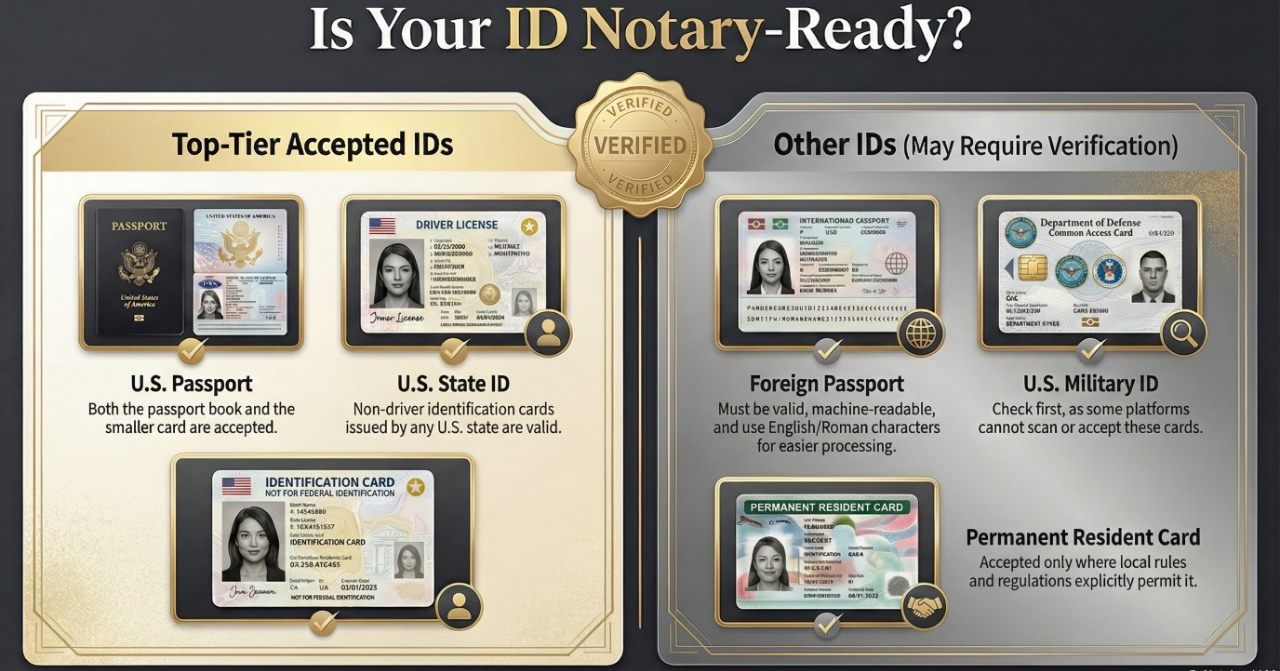
If your only ID is expired or lacks a photo, plan for in-person signing with a fresh ID. If your name recently changed, bring the supporting record (e.g., marriage certificate) so we can reconcile names for the notarial certificate and any later apostille.
Foreign signers and identification checks (what to expect)
You can usually complete RON from abroad if you can pass credential analysis and biometrics. KBA is the limiting step because it uses U.S. data. Three practical solutions:
Try RON first — Some signers pass KBA despite limited history.
Go in person — If online checks fail, we’ll schedule Miami in-person.
Clarify recipient acceptance — Some recipients accept RON from Florida even if the signer is abroad; others insist on paper. We’ll help you confirm.
Name matching, signatures, and the notarial certificate
Identity verification doesn’t end with the ID. It also covers how your name appears in the document and notarial certificate:
Use one consistent legal name across ID, document, and certificate (including middle names/initials).
If there’s a discrepancy (accent marks, compound surnames, hyphens), we’ll align the certificate to your ID and note variants in the document if the recipient expects them.
For jurats, do not sign in advance; you must sign in the notary’s presence (in person or live online).
For acknowledgments, you can sign earlier and acknowledge the signature during the session.
Correct names and the right certificate language are often the difference between a smooth apostille later and a rejected packet.
Security, privacy, and tamper-evidence
Recording & audit trail (RON). Online sessions are recorded under program rules. We retain evidence per policy to answer acceptance questions from banks, schools, courts, or consulates.
Tamper-evident PDFs. After e-signing and sealing, any post-signing change triggers a clear “modified/invalid” indicator in standard PDF viewers.
Limited-use data. We use your information only to complete the notarial act and required compliance steps.
No shortcuts. If identification checks don’t meet the standard, we won’t proceed online—this protects you and the enforceability of your document.
Edge cases (and how we handle them)
Thin credit file (students, recent arrivals). Try RON; if KBA fails, switch to in-person.
Name changed recently. Bring supporting proof so we can reconcile names and avoid apostille delays.
Glare or low-quality scans. Clean your camera lens, use neutral lighting, and hold the ID steady; we’ll re-capture if credential analysis flags issues.
International addresses. KBA may ask about prior U.S. addresses; have your history handy.
Witness requirements. We can coordinate witnesses in person or online (where permitted) and capture their IDs as needed.
How identification checks support apostille later
If your signed document goes to a Hague Apostille country, the state’s competent authority will issue an apostille over the notary’s signature (for private documents) or the issuing official’s signature (for public records). Clean identification checks up front help avoid questions later:
The notarial certificate will show a clear venue, date, and name that match your ID.
The RON evidence (recording + logs) provides confidence if a foreign reviewer asks how identity was verified.
For vital records going abroad, we’ll obtain the certified originals from the correct office first—vital records aren’t notarized—and then route the physical apostille. Timelines may vary.
If you expect an apostille, tell us at intake; we’ll format your notarial certificate to match the competent authority’s expectations and the destination’s preferences (paper vs. electronic).
Our step-by-step process (so your ID passes the first time)
Intake & acceptance check — Purpose, recipient, and whether RON is acceptable.
Prep list — Which identification checks you’ll complete, which IDs to bring, and any supporting proof (name change, business authority).
Session — In Miami (ID in hand) or online (KBA + credential analysis + biometrics + recording).
Delivery — Wet-ink original (in person) or tamper-evident PDF (RON).
Optional apostille/vital records — We obtain certified originals when needed and route apostille. Timeframes may vary.

Why choose Notary Public Center
Two clear routes: Online (RON) or in-person in Miami—we help you choose based on recipient acceptance.
Layered identity proofing: KBA, credential analysis, biometric/live-ness, a recorded session, and tamper-evident output.
Apostille & vital records support: We structure your notarial certificate for apostille and can obtain certified vital records before apostilling when needed.
Acceptance-first mindset: We help you ask the right questions so your document is accepted the first time.
Ready to complete identification checks and sign with confidence? Contact Notary Public Center. We’ll guide you through the right IDs, run robust checks online or in Miami, and, if your document goes abroad, coordinate apostille and vital records so everything is accepted without surprises.
FAQ
1) Which IDs are best for online notarization?
A current passport or U.S. driver’s license passes credential analysis most reliably. Keep it unexpired and readable. Foreign passports also work well when machine-readable.
2) Can I use an expired ID if I bring two of them?
No—plan to use a current government-issued photo ID. If that’s not possible, we’ll discuss in-person options and timing once you renew.
3) Do I need the exact same name on the document as on my ID?
Yes. Match your legal name exactly, including middle names/initials. Bring name-change proof if needed. This also helps if you later need an apostille.
The information contained in this publication is provided for general informational purposes only and does not constitute legal advice. Reading or using this content does not create and is not intended to create an attorney-client relationship. No reader or user should act or refrain from acting based on the information presented herein without first consulting an attorney duly licensed to practice law in their jurisdiction.