Apostille de la Haya · Florida documents
Florida Department of State Apostille: A Practical Guide
Published
A Florida Department of State apostille authenticates an eligible official or notarial signature for use abroad. The first decision is whether Florida is the correct authority for your document. This guide brings together the preparation, submission and delivery steps, with assistance available from Apostille de la Haya.
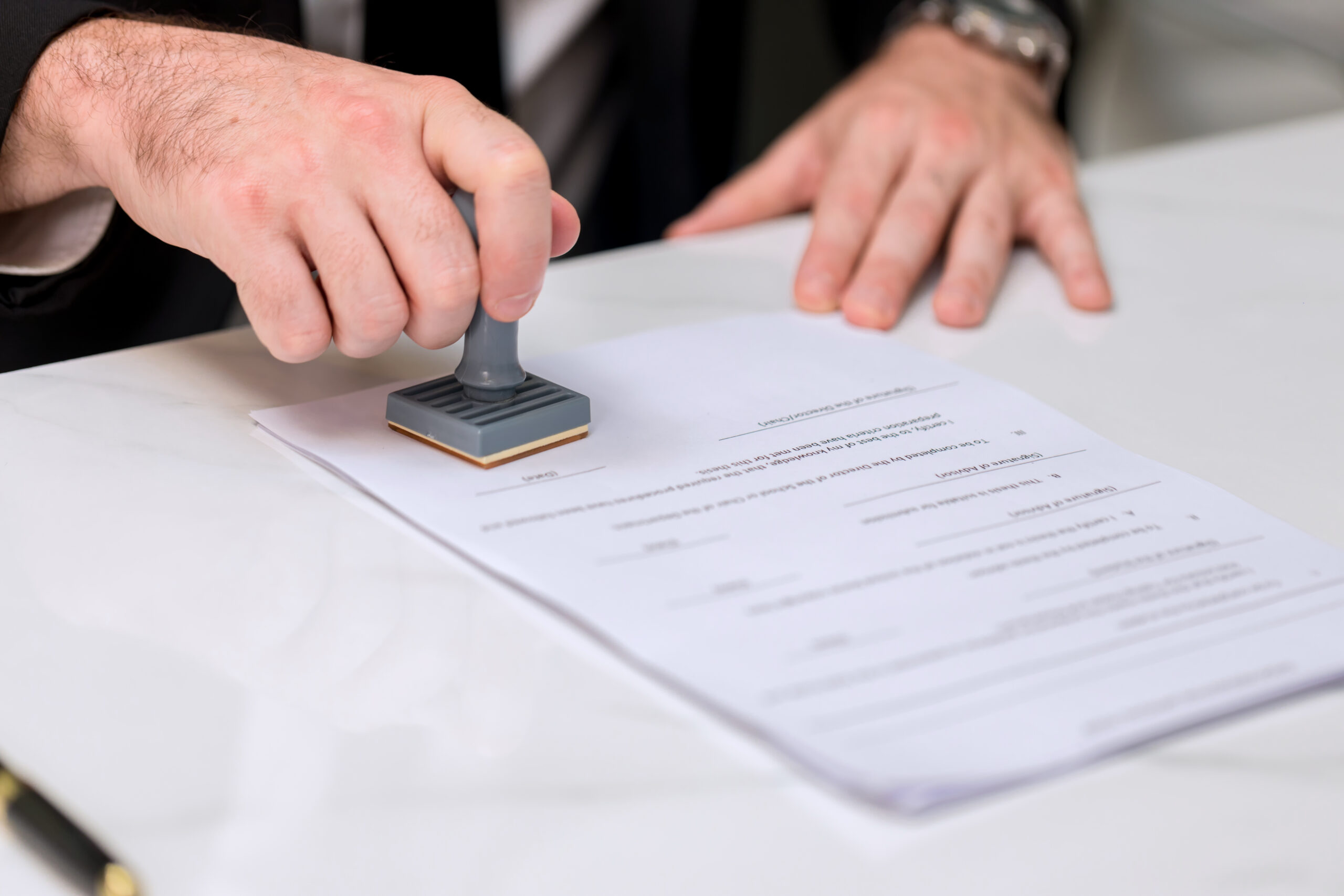
Prepare the document before planning the trip or shipment.
Before you start
Florida authority
The Florida Department of State issues apostilles for eligible Florida documents through its Division of Corporations.
Document and destination
Identify who issued or notarized the document and the country where you will present it.
Separate government routes
An FBI report or a document from another state does not follow the Florida route merely because you live in Florida.
01 / Confirm the authority
When is the Florida Department of State the right office?
Start with the issuing official or notary, rather than the address of the person requesting service. Florida’s process covers eligible records from its public authorities and documents properly notarized by a Florida notary. Another state’s document normally goes to that state’s competent authority; an FBI report follows the federal route.
The certificate authenticates the official signature or seal. It does not approve the contents of a power of attorney, decide the validity of a contract or guarantee that an overseas office will accept the complete application. If the document requires legal drafting or advice, resolve that separately before arranging authentication.
Apostille destination
Check whether the Apostille Convention applies to the document’s use between the United States and the destination. Follow the receiving office’s checklist.
Other authentication route
A destination outside the Convention’s applicable route may require authentication and further legalization. Confirm the chain with the receiving authority before choosing the request.
02 / Prepare the correct record
What preparation does your Florida document need?
The preparation changes with the document type. Review the actual signature, certification and issuing office instead of treating every record as something that needs a notary.
For a closer look at eligibility, see the related guide to Florida document types below. This page focuses on organizing the full process once you know which record you need.
Birth and death records
Florida accepts the specified vital record signed by the State Registrar. Ask the receiving office about the required version before ordering a copy.
Marriage and court records
Check the certification required for the particular record and issuing clerk or vital-records office. Use the accepted certified record rather than an ordinary photocopy.
School documents
Use the Florida instructions for the school and record type. Confirm who must sign and how the notarial statement must be completed before submission.
Business records
Certificates of status and certified corporate filings have their own instructions. Distinguish an official certified filing from a privately prepared company statement.
Powers of attorney and affidavits
For a document requiring notarization, confirm the appropriate notarial act and a complete Florida notarial certificate. Authentication does not replace legal review of the document.

Let’s review your document
Tell us what document you have, where it was issued and where you need to use it.
03 / Organize the submission
How does the Florida apostille process work?
Apostille de la Haya can help coordinate document preparation, submission and delivery. Ask what is included for your specific record before approving the service. The government issues the certificate, and the receiving authority decides whether the submitted file meets its requirements.
Collect the receiving office’s instructions
Identify the country, purpose and requested document format. Check translation requirements and the date by which the completed file must arrive.
Review the original or certified record
Confirm the issuing authority and whether a certified copy, official certification or notarization is needed. Resolve missing signatures or incomplete certifications before filing.
Prepare the request package
Complete the Florida request, include the eligible document and current payment, and arrange return delivery according to the Department of State’s instructions.
Submit and track the shipment
Use the current official submission instructions. Keep a record of the documents sent and the delivery arrangements so a question about the package can be addressed.
Review the returned set
Check the returned certificate and attachments. Keep the set intact, complete any remaining translation or legalization step, and deliver it to the agreed recipient.
04 / Plan related steps
How do translation and notarization fit into the process?
Translation and apostille serve different purposes. The first makes the document readable in the requested language; the second authenticates its origin. Ask whether the recipient requires a certified or sworn translation, who may prepare it and whether the apostille itself must also be translated.
Do not select remote notarization solely for convenience. First confirm whether notarization is appropriate for the document, whether the notary can complete the requested act and whether the receiving office accepts that format. Ask these questions before the signing appointment so the document does not need to be prepared again.
If further consular legalization is required, obtain the relevant mission’s checklist. A Florida certification may be one stage of that route, rather than its final step. Coordinate the order of authentication, translation and consular submission before sending originals between offices.
05 / Check the file
What can interrupt a Florida apostille request?
You may follow the official filing instructions yourself or request administrative assistance. A service can help organize preparation and delivery, but it cannot change the government’s eligibility rules. Compare proposals by the work included, the documents involved and the stated delivery arrangements.
The wrong jurisdiction
An out-of-state record or federal document needs its own authority. Match the issuer to the route before making delivery arrangements.
An unacceptable copy
Use the record format specified by Florida. Adding a notary stamp to an ordinary photocopy does not replace an official certified public record.
An incomplete notarial certificate
Check the required statement, signature and seal. Ask the notary to resolve an issue through the appropriate procedure before the request is filed.
An unfinished delivery plan
Confirm the return address, recipient and tracking arrangements. Include translation and any later legalization in the schedule, rather than budgeting for the state step alone.
06 / Your questions
What else should you know before requesting a Florida apostille?
The Florida Department of State issues apostilles through its Division of Corporations. Apostille de la Haya provides administrative assistance with the process; it is not the government issuing authority. Confirm who signed or certified your document first, because that determines whether Florida is the appropriate office for the request.
An FBI Identity History Summary is a federal record and follows the U.S. Department of State route, rather than the Florida process. Living in Florida does not change its issuer. If the recipient requested a Florida criminal-history record instead, identify that requirement before ordering or authenticating a different report.
A record issued by another state normally goes to that state’s competent authority. Do not select Florida only because you live here or plan to mail the document from here. Check the official certification and issuing office on the record before choosing the submission route for your file.
A Florida notary cannot certify a copy of a birth certificate. Obtain the appropriate official record and follow the state’s accepted-document instructions. The same distinction matters for other public records: notarization of a photocopy should not be treated as a substitute for the certified record the agency requires.
Confirm the sequence with the receiving office before ordering translation. It may need the completed apostille translated along with the document, or it may specify a separate translator’s certification. Ask which type of translation is accepted and who may prepare it, rather than assuming one arrangement works for every destination.
Check the document and destination before choosing a remote appointment. Confirm whether notarization is needed, whether the requested act can be completed through that format and whether the receiving office accepts it. Convenience alone does not establish that a remotely notarized document will meet the requirements of your particular file.
Ask for a breakdown of the government charge, administrative service, any certified-copy or notarization work, translation if required and delivery. Confirm the number of documents covered and the steps included. Costs depend on the actual record and service scope, so compare complete proposals rather than a single advertised starting price.
Ask for a current estimate and the assumptions behind it. Preparation, government processing and delivery are separate parts of the schedule, and an incomplete record may need correction. Share your deadline before proceeding, but do not treat a service estimate as a guarantee of government issuance or acceptance abroad.
Apostille de la Haya · Contact
Start with a review of your Florida document
Tell Apostille de la Haya what document you have, who issued it and where it will be used. Ask about the preparation, submission and delivery services available for your file.
Tell us about your document
Related guides

Professional background
Security consultant accredited by Colombia’s Superintendencia de Vigilancia y Seguridad Privada; forensic fingerprint examiner. A business administrator with a specialization in finance, he brings more than 27 years of experience protecting people, valuables and infrastructure. His career includes administrative and financial management at McKinsey & Company in Colombia and executive roles at multinational companies. As Partner and Senior Consultant at Compliance Officers, he applies that experience to background screening, due diligence and compliance.
Official sources
Legal notice
The information contained in this publication is provided for general informational purposes only and does not constitute legal advice. Reading or using this content does not create and is not intended to create an attorney-client relationship. No reader or user should act or refrain from acting based on the information presented herein without first consulting an attorney duly licensed to practice law in their jurisdiction.