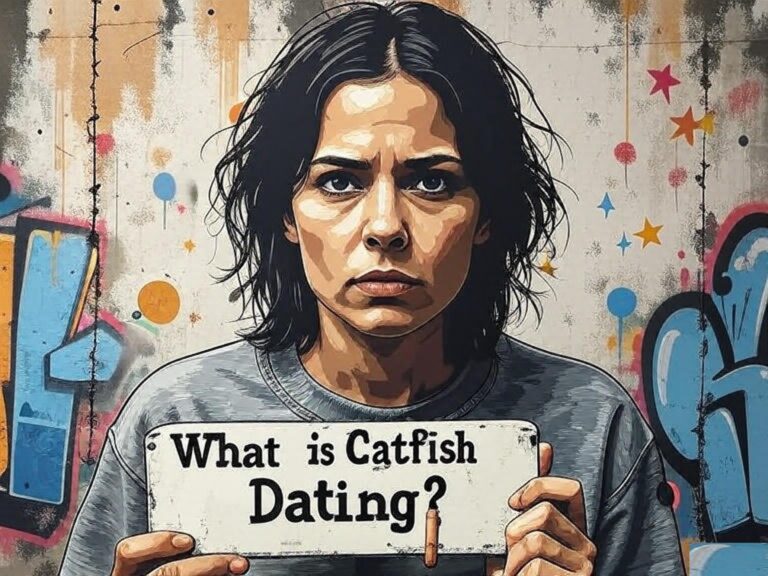
What is Catfish Dating? In the digital age of romance, online dating offers exciting opportunities but also serious risks. One of the most harmful is catfish dating — when someone creates a fake profile to deceive others into a relationship. Whether they use stolen photos or fake stories, catfishing can lead to heartbreak and financial loss. Understanding what catfish dating is and how to spot it is crucial to protect yourself. In this article, you’ll learn how to identify red flags, why these scams happen, and how to avoid becoming a victim.
Understanding Catfish Dating: Definition and Overview
Catfish dating refers to creating a false identity online to trick someone into a romantic relationship. The term became popular through the documentary and MTV series «Catfish,» which showed how people use fake profiles to manipulate others emotionally and financially. The person who commits this deception is called a «catfish.»
Catfish often use attractive photos, fake names, and elaborate stories to appear perfect. They play on the hope of finding an ideal partner and build trust over time. The anonymity of the internet makes it easier for them to hide and maintain their fake persona.
The Psychology Behind Catfishing
Catfishing usually starts from feelings of insecurity or dissatisfaction with real life. Some people create an idealized version of themselves to escape reality and feel accepted. Others do it to control or manipulate, enjoying the power they gain over victims. For some, the thrill of successfully deceiving someone becomes addictive.
The emotional manipulation can deeply hurt victims, making them feel powerless and emotionally dependent. The lack of immediate consequences online makes it easier for catfishers to continue their schemes without remorse.
What is Catfish Dating? Common Signs to Watch For
Recognizing warning signs is key to avoiding catfish dating scams. Here are some common red flags:
- They avoid video calls or in-person meetings and make constant excuses.
- Their photos look too professional or too perfect.
- They share inconsistent details about their life or change their stories over time.
- They ask for money, gifts, or sensitive personal information.
If you notice these behaviors, stay cautious and investigate before becoming emotionally invested.
Real-Life Catfish Dating Scenarios
Some catfishers pretend to be soldiers stationed abroad to explain why they can’t meet in person. They often ask for money for supposed emergencies or travel expenses.
Others pretend to be celebrities or wealthy individuals to attract attention and manipulate victims into sending money or private details.
Some build elaborate backstories, including fake families and careers, to appear more credible. Once exposed, victims often feel betrayed and devastated.
The Impact of Catfishing on Victims

Catfishing causes emotional pain, loss of trust, and even depression. Victims may find it hard to trust new partners and might need therapy to recover.
Financially, victims can lose significant amounts of money, sometimes leading to severe debt. The combination of emotional and financial loss can leave long-lasting scars.
How Compliance Officers and Due Diligence Help Prevent Catfish Dating
At our company, we know how damaging catfishing can be. Our compliance officers specialize in performing due diligence on individuals to verify their identities and confirm if they are who they say they are.
Through comprehensive background checks — including public records and legal history — we help uncover potential red flags. We do not rely on social media analysis or online presence reviews; our focus is strictly on verified data from official sources. This in-depth approach helps you make informed decisions and avoid risky relationships.
Online Dating Safety Tips
While professional due diligence is powerful, you should also follow these safety practices:
- Use reputable dating platforms with strict security measures.
- Never share personal or financial information too soon.
- Ask for video calls early in the conversation to verify identity.
- Pay attention to inconsistencies or stories that sound too good to be true.
- Trust your instincts and slow down if you feel pressured.
Conclusion: Stay Safe and Protect Yourself
Navigating online dating requires caution and awareness. By understanding what catfish dating is and learning to recognize warning signs, you can protect yourself emotionally and financially.
Our compliance officers can help you verify identities through professional due diligence, giving you peace of mind before moving forward with online connections.
About the Author
This article was written and reviewed by our editorial team, including human editors specializing in online safety and compliance. AI tools were used as support for drafting, but the final content was verified by professionals to ensure accuracy and clarity.
How a catfish dating scam actually unfolds
Catfish dating rarely starts with an obvious lie. It follows a pattern designed to lower your guard one step at a time, and recognizing the sequence is the best defense:
- The perfect match: the profile seems tailored to you—attractive photos, shared interests, and a backstory that explains why they can’t meet in person yet (military deployment, overseas job, offshore work).
- Love bombing: intense affection arrives fast. Constant messages, talk of a future together, and declarations of love within days create a sense of a deep bond before you’ve verified anything.
- Isolation and urgency: the scammer discourages you from involving friends or family and manufactures crises that demand quick decisions.
- The first ask: a small favor or emergency—a phone bill, a customs fee, a medical cost—tests whether you’ll send money. Once you do, the requests grow.
The turning point is almost always that first financial request. A genuine partner won’t need money from someone they’ve never met in person.
Red flags that signal a fake profile
Most catfish profiles share tell-tale signs. Any one of them warrants caution; several together are a clear warning:
- They refuse video calls or always have a reason the camera won’t work, and they never agree to meet in person.
- Their photos look too polished or professional, and a reverse-image search links them to someone else or a stock library.
- Their story shifts—details about their job, location, or family change over time.
- The account is new, sparse, or has few genuine connections, yet they message constantly.
- Conversation moves off the dating app quickly to private messaging, where there’s no platform oversight.
Trusting these signals over the emotional story you’re being told is what keeps a promising connection from turning into a loss.
The real cost: emotional and financial harm
Beyond the money, catfish dating leaves lasting damage. Victims describe a double blow: the grief of losing a relationship that felt real, and the shame of having been deceived. That combination often keeps people from reporting the crime, which is exactly what scammers count on. Financially, romance scams are among the most costly forms of online fraud, with individual victims sometimes losing their savings, taking on debt, or being manipulated into laundering money for the scammer without realizing it.
Recognizing that the harm is both psychological and financial matters, because recovery usually requires addressing both—rebuilding trust and, where possible, limiting or reversing the monetary loss.
What to do if you suspect you’re being catfished
If the signs are adding up, act deliberately rather than emotionally:
- Stop sending money immediately, and don’t share financial account details, copies of your ID, or intimate images.
- Verify the identity with a reverse-image search and by insisting on a live video call. A refusal is an answer in itself.
- Preserve the evidence—screenshots, profiles, payment records—before the account disappears.
- Report it to the dating platform, your bank or payment provider (which may be able to flag or recover a recent transfer), and the relevant fraud authorities in your country.
- Tell someone you trust. Scammers rely on isolation; a second perspective breaks the spell.
Taking these steps quickly limits the damage and, in some cases, helps others by getting a fraudulent profile shut down.
Who catfish scammers target—and why
Anyone can be targeted, but scammers deliberately look for people they judge to be reachable and receptive. Recently divorced or widowed individuals, people going through loneliness or a major life change, and older adults who may be less familiar with online deception are all common targets. So are professionals with visible success on social media, because a solid income makes the eventual financial ask worthwhile for the criminal.
Importantly, being scammed has nothing to do with intelligence. These operations are run by organized groups using tested scripts and emotional manipulation refined over thousands of victims. Understanding that the vulnerability is emotional, not intellectual, removes the shame that keeps people silent—and silence is exactly what lets these scams continue. The healthiest response to a near-miss or a completed scam is to report it and warn others, not to blame yourself.
Build a personal verification habit before you get attached
The most reliable protection is a simple routine you apply to every new online connection, before emotions take over:
- Run a reverse-image search on their profile photos within the first few conversations.
- Insist on a live, unscheduled video call early—scammers using stolen identities can’t pass this test.
- Keep the conversation on the platform long enough for its safety tools to work, and be wary of anyone rushing you to private channels.
- Never mix money and a stranger. No matter how compelling the story, do not send funds, gift cards, or crypto to someone you haven’t met in person.
- Ask specific questions and notice whether the answers stay consistent over time.
Turning these steps into a habit means you no longer have to rely on gut feeling in the moment—the checks do the work for you, and a genuine person will happily pass all of them.
How Compliance Officers helps prevent catfish dating fraud
At its core, catfishing is an identity problem—and identity is something that can be verified. Compliance Officers specializes in due diligence and identity verification: reverse-checking a person or business, confirming that an entity actually exists, and building the kind of verification habits that make romance and investment scams fall apart. Individuals use these checks before sending money or documents to someone they met online; companies use them to vet the people and counterparties they engage with.
If you’re unsure who you’re really talking to, don’t guess. Tell us about your situation and we’ll help you confirm the facts before any money or sensitive information changes hands.
Need help with compliance and due diligence?
Compliance Officers supports companies and professionals with FOIA, KYC, due diligence and fraud prevention. Tell us about your case and we will guide you.
Talk to Compliance Officersinfo@complianceofficers.org
Frequently Asked Questions
What is catfish dating?
Catfish dating is when someone creates a fake online identity—usually with stolen photos and an invented backstory—to start a romantic relationship under false pretenses, often to obtain money, personal information, or emotional control.
How can I tell if I'm being catfished?
Watch for refusal to video chat or meet in person, photos that appear elsewhere in a reverse-image search, inconsistent stories, a brand-new or sparse profile, and any request for money. Several of these signs together strongly suggest a fake profile.
What should I do if I've already sent money to a catfish?
Stop all further payments, contact your bank or payment provider right away since a recent transfer may be recoverable, preserve screenshots and records, and report it to the dating platform and to fraud authorities in your country.
Is catfishing illegal?
Creating a fake profile alone may fall into a legal grey area, but using it to commit fraud, extortion, or identity theft is a crime in most jurisdictions. If money or personal data is taken, it should be reported to law enforcement.
How can identity verification prevent catfishing?
Verifying who you’re dealing with—through reverse-image searches, live video, and professional due diligence—exposes fabricated identities before any harm is done. It’s the single most effective defense against romance and investment scams.
Legal Disclaimer:
This article is provided for informational purposes only and does not constitute legal advice. The content herein is not intended to substitute professional legal consultation. For specific guidance regarding your individual circumstances, please consult directly with a qualified attorney licensed to practice in your jurisdiction.