An Egyptian consulate power of attorney request starts with choosing the appropriate signing procedure. The principal may sign before a consular officer, or may present a power already executed through U.S. authorities. Those are different starting points. Before anyone prepares the document, identify the principal’s nationality, available identification, residence, intended transaction and competent consulate. Confirm which procedure applies to the principal and the specific power of attorney.
This guide covers preparation in the United States for use in Egypt. It walks through the decisions to settle before signing or submitting a power. Document certification stays separate from legal advice about the authority being granted. Apostille de la Haya can discuss the U.S. preparation within the mission’s rules. It cannot replace a required personal appearance, and it cannot promise that an Egyptian institution will accept the instrument.
Egyptian consulate power of attorney: two signing routes
The first option involves signing directly before the consular officer. The second is a document signed before a U.S. notary and then prepared for legalization of the relevant American certifications. Ask the competent mission which service applies before you sign. If you pick a route only because it looks more convenient, you may end up with a document that fails the applicant’s eligibility or execution requirements.
The Washington embassy’s signature legalization instructions separate these services and cover identification, attendance and prior certification. They describe the direct service as available to Egyptian citizens with qualifying valid Egyptian identification. Submissions notarized in the U.S. have their own conditions, including limits tied to identification and to the transaction. Confirm which branch applies to you, because mail is not open to everyone. Our guide to Egypt embassy legalization covers this in more detail.
In practice, decide the route and the execution together. A qualified professional can review an unsigned draft before execution. However, assess a signed instrument in its current form, including its wording and the circumstances of signing. An ordinary U.S. notarization does not automatically qualify a power for every Egyptian consular service.
Find the consular district for your Egyptian power of attorney
Use the embassy’s official directory of Egyptian consulates in the United States to find the right mission and the states it serves. Washington, New York, Chicago, Houston and Los Angeles each cover different areas. A mission in a major city does not serve every U.S. applicant or document.
Give the facts that bear on jurisdiction, such as residence and the state connected to the document or notarial act. Ask the mission how those facts affect your specific service. Someone may live in one state and hold a power notarized in another. Get that clarified before travel or shipment, instead of assuming the nearest consulate will handle it.
Keep the mission’s current instructions and note the date you checked them. Confirm submission arrangements, attendance, and supporting papers with the responsible office. Don’t apply Washington’s detailed procedure to another district without checking. The national directory helps you find the right office, but it does not replace that office’s instructions for the service you need.
For example, the official directory places Florida in Washington’s district and California in Los Angeles’s district. In an Egyptian consulate power of attorney file involving more than one state, confirm the applicable district before arranging delivery.
Define the transaction before choosing the wording
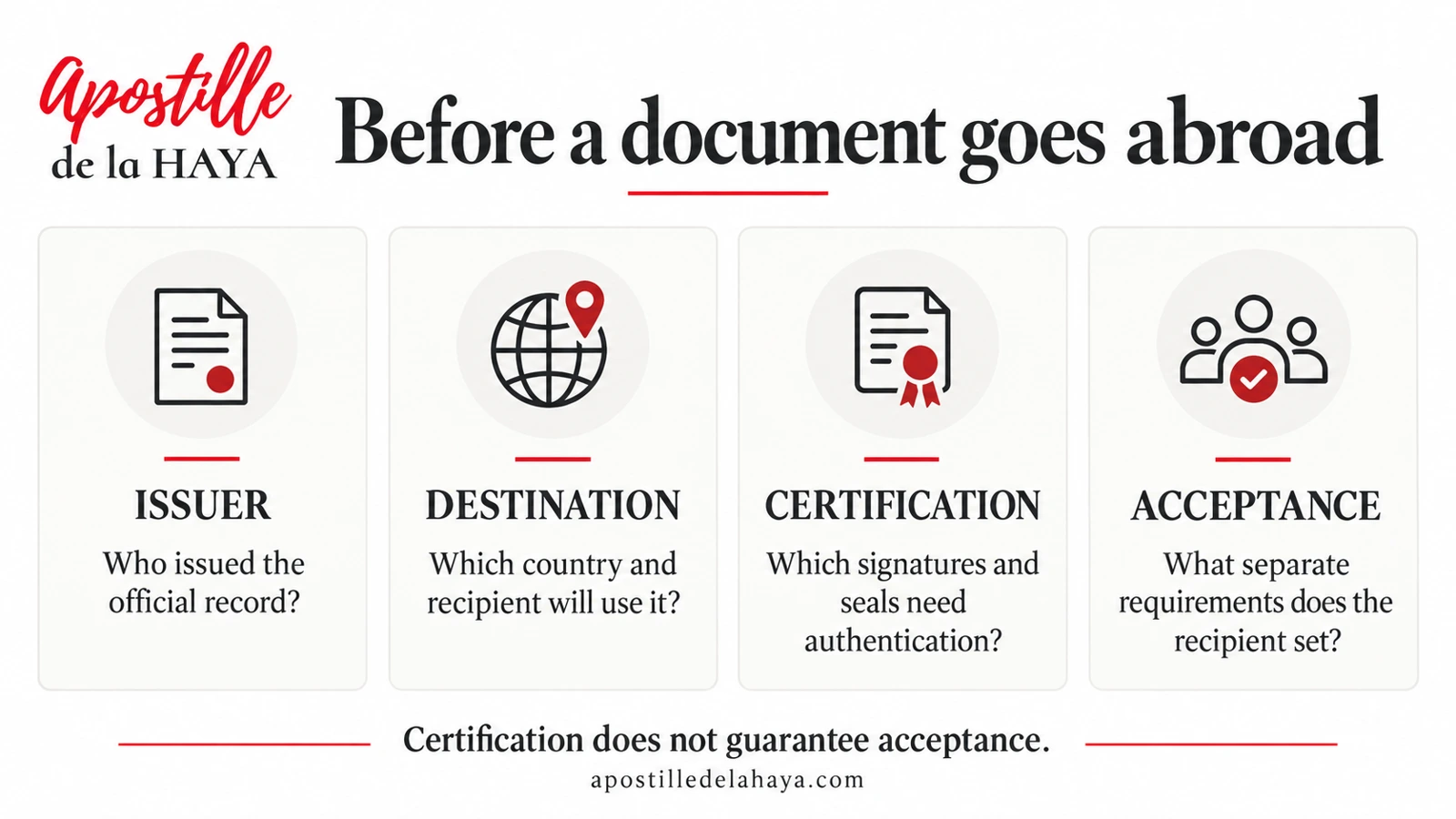
Spell out exactly what the agent must do in Egypt. A property sale, a bank transaction, a court matter, a company act or a family-law matter can each call for different authority. The person receiving the power should explain the form and information they need. A suitably qualified legal professional should advise on what the proposed wording does in law.
Don’t reach for the broadest template just because it is at hand. A general grant can authorize more than the principal intends, and a narrow form can leave out an act the agent needs. The right balance depends on the transaction and the governing law. Certification does not settle that drafting choice, and it does not protect the principal from authority granted by mistake.
Our special power of attorney discussion can help you frame questions about authority for a specific transaction. It is background only and does not replace Egyptian legal advice. Before signing or arranging certifications, identify the agent, the property or matter involved, the permitted acts, and any restrictions.
Egyptian consulate power of attorney: ID and attendance
Tell the competent mission which nationality and identification documents the principal holds and whether they are current. Ask which originals and copies the chosen service requires. Washington’s direct-signing instructions require qualifying valid Egyptian identification; they do not accept foreign identification for that service. Having held an Egyptian document at some point does not prove present eligibility either.
Washington requires personal submission when a U.S.-notarized power identifies the principal by U.S. passport. It also excludes foreign nationals’ disposition powers, such as sale or banking powers, from mail handling and requires attendance. The exact facts matter, so confirm the requirement for the actual principal and transaction. A courier or document coordinator who carries the paperwork cannot meet an appearance requirement for the principal.
Sort out attendance before booking travel or promising an overseas agent a signing date. Find out whether you need an appointment or another intake arrangement and what the principal must bring. If attending is not possible, ask the mission which lawful route is available. Don’t improvise a workaround based on another applicant whose nationality, identification or transaction was different.
Review U.S. notarization for an Egyptian consular power
Review the whole instrument together with the notarial certificate. Note the state where the act took place, the principal’s name, the signature being acknowledged or sworn and how the certificate connects to the power. A loose certificate referring to a different document, or an incomplete notarial act, creates a problem that later stamps won’t fix.
Washington requires the notary’s signature on the power itself, rather than a separate sheet, and the same notary’s name on the state authentication. If anything is unclear, have the competent mission review it before you change the packet. Don’t move a certificate, add wording to a notary’s completed act or swap signed pages without going through the proper correction or re-execution process.
For the American certification stage, check the rules of the relevant state authority. Where federal authentication is required, check the U.S. Department of State’s authentication requirements too. For example, Washington’s mail instructions require federal authentication for a commercial document. Confirm the category before applying that sequence to a noncommercial power. For an Egyptian consulate power of attorney, don’t treat one federal sequence as mandatory for every possible consular act.
The power of attorney attestation guide explains what each certification establishes. Use that distinction when comparing a consular signature act with authentication of a U.S. notary’s signature.
Choose the certification for an Egyptian consulate power of attorney
An apostille and an authentication certificate are different things. Washington’s signature legalization guidance says plainly that apostilles are not accepted for the submissions it describes. Confirm the right certificate with the competent state and consular authorities before ordering any work. If you prepared the document for another country, request a review with all attachments still intact.
More certificates will not make an unsuitable document acceptable. Each act should play a known role in the confirmed route. If the wording or the execution has to change, decide whether a new instrument is needed before going further with certification. A later seal won’t add a missing power, fix an agent’s identity or validate a change nobody authorized.
Our power of attorney notary guide gives background on the signing stage. Use it to spot the questions, then apply the relevant jurisdiction’s rules and the mission’s requirements. A notary’s authority under U.S. law and a foreign recipient’s conditions for acceptance are related, yet they are separate issues and both need an answer.
Check the language of your power for use in Egypt
Ask the Egyptian recipient or a suitable adviser to confirm the required language and wording before signing. If you use a bilingual version, both texts must grant the same powers. A translation should never widen the agent’s authority, drop a restriction or change the identity of a person or property so the form looks acceptable.
Find out whether the transaction needs supporting records, such as property, inheritance or court documents. The mission’s instructions and the recipient’s needs may point to different supporting materials. Include a record because it applies to your case, not because it appeared in an unrelated template. Keep each supporting record clearly apart from the power itself.
If the principal does not understand the language of the instrument, arrange proper help before signing. The principal needs to understand the powers and their consequences. Allow time for a suitable professional to explain them before arranging the signature certification.
Know the limits of outside document help
The Washington mission requires direct dealings with citizens and states that intermediaries may not conduct their consular transactions. That rule limits what private help can do for the consular act. Document review or permitted U.S. preparation must not be sold as authority to represent the citizen before the mission against its rules.
Agree on the scope of the service before you engage help. Settle who will obtain any U.S. certification needed, who must communicate with the mission, who must appear and who receives the completed instrument. Apostille de la Haya can discuss preparation within the permitted scope. It cannot stand in for the principal where participation is required, or perform acts that only the applicant may perform.
The Egypt legalization service overview and the power of attorney legalization service are good places to begin that conversation. Agree on assistance that fits the confirmed route and consular restrictions. Keep the applicant’s own duties explicit.
Review the final instrument before it goes to Egypt
Compare the completed power with the version the principal approved for signing. Check the principal, the agent, the description of the transaction, the signature and the official attachments. Keep the packet intact and hold on to a legible copy. Don’t detach certifications or swap a page because a newer draft looks cleaner or fixes something small.
Confirm how the receiving institution wants the document presented and whether another act is needed in Egypt. The agent should know which document is arriving and what it is for. Legalization does not complete a property transfer or authorize a bank transaction beyond the written powers. It also does not decide whether a court or registry will accept the instrument.
Questions about revoking a power, whether it remains valid or disputes over an existing one need proper legal advice. Washington’s guidance distinguishes certification of a revocation declaration from completing the required cancellation and notice procedures in Egypt. A new consular signature certification does not itself complete those procedures. Find out the governing procedure and required notices from the competent professional or authority before you rely on an attempted revocation.
Egyptian consulate power of attorney: common questions
Can every applicant sign directly at the Egyptian consulate?
No. Washington’s direct-signing service requires Egyptian citizenship and specified valid Egyptian identification. Confirm eligibility with the competent mission before travel. A U.S. passport does not replace the required Egyptian identification for that service.
Can I mail any U.S.-notarized power for legalization?
No. The principal’s identification, transaction, and consular district affect eligibility. Washington requires attendance in specified cases, including foreign nationals’ sale or banking powers. Confirm the actual requirements before choosing mail submission.
Does consular certification approve every power in the document?
No. Certification does not approve every legal effect or guarantee the recipient’s acceptance. Obtain suitable Egyptian legal advice on the wording before signing, especially for property, banking, company, or family matters.
Can a service provider appear for me?
A provider cannot replace required personal participation or override the mission’s restriction on intermediaries. Confirm which U.S. preparation services you may use and which consular actions the principal must carry out personally.
What should I send for a first preparation review?
Provide the power, intended transaction, place of signing, existing certificates, and recipient’s requirements. Describe the principal’s nationality and available identification without initially sending unnecessary sensitive copies. Mention the deadline and ability to attend.
Talk through the preparation before signing or sending the power
Discuss your Egyptian consulate power of attorney preparation with Apostille de la Haya. Identify the intended transaction, consular district, and whether the document is unsigned or already notarized. A review can help separate a drafting question from a missing certification or required consular appearance.
Call +1 (305) 500-0185 or use WhatsApp. Finalize the legal wording with a qualified professional, and follow the competent mission’s rules for personal participation.
This publication provides general information. Confirm the current consular procedure and obtain legal advice on the powers, restrictions, and consequences of the instrument.